
Skip to content
Evologics America

Biologic Graft Options for Spine Surgery

Fusion-based spine procedures require careful coordination between fixation, preparation of the graft bed, available autograft and the selected graft material.

Evologics provides DBM, bone allograft, synthetic graft and point-of-care autologous processing options in multiple configurations for surgeon-directed use.

Configurations for different grafting strategies

DBM and demineralized cortical fibers are commonly incorporated into spine grafting strategies as extenders or enhancers rather than structural implants.

Evologics offers putty, crushed matrix, strips, cubes, fibers, fiber boats and blended forms, allowing the surgeon to select handling characteristics according to the surgical approach and graft location.

Product-specific instructions govern whether a configuration may be mixed with autograft, bone marrow aspirate or another approved material.

Bone Allografts

Bone allograft options include cervical spacers, structural grafts, cancellous cubes and crushed cancellous tissue.

Structural and nonstructural products perform different roles and should not be treated as interchangeable.

Synthetic Bone Graft Solutions

Synthetic hydroxyapatite and tricalcium-phosphate materials may provide an osteoconductive scaffold within a surgeon-directed fusion construct.

Available handling forms should be matched to the anatomy, fixation system and intended graft location.

Bone Marrow Aspirate Processing

Point-of-care BMA systems may be used to process autologous marrow for clinician-directed use with a grafting strategy when permitted by the system labeling and institutional protocol.

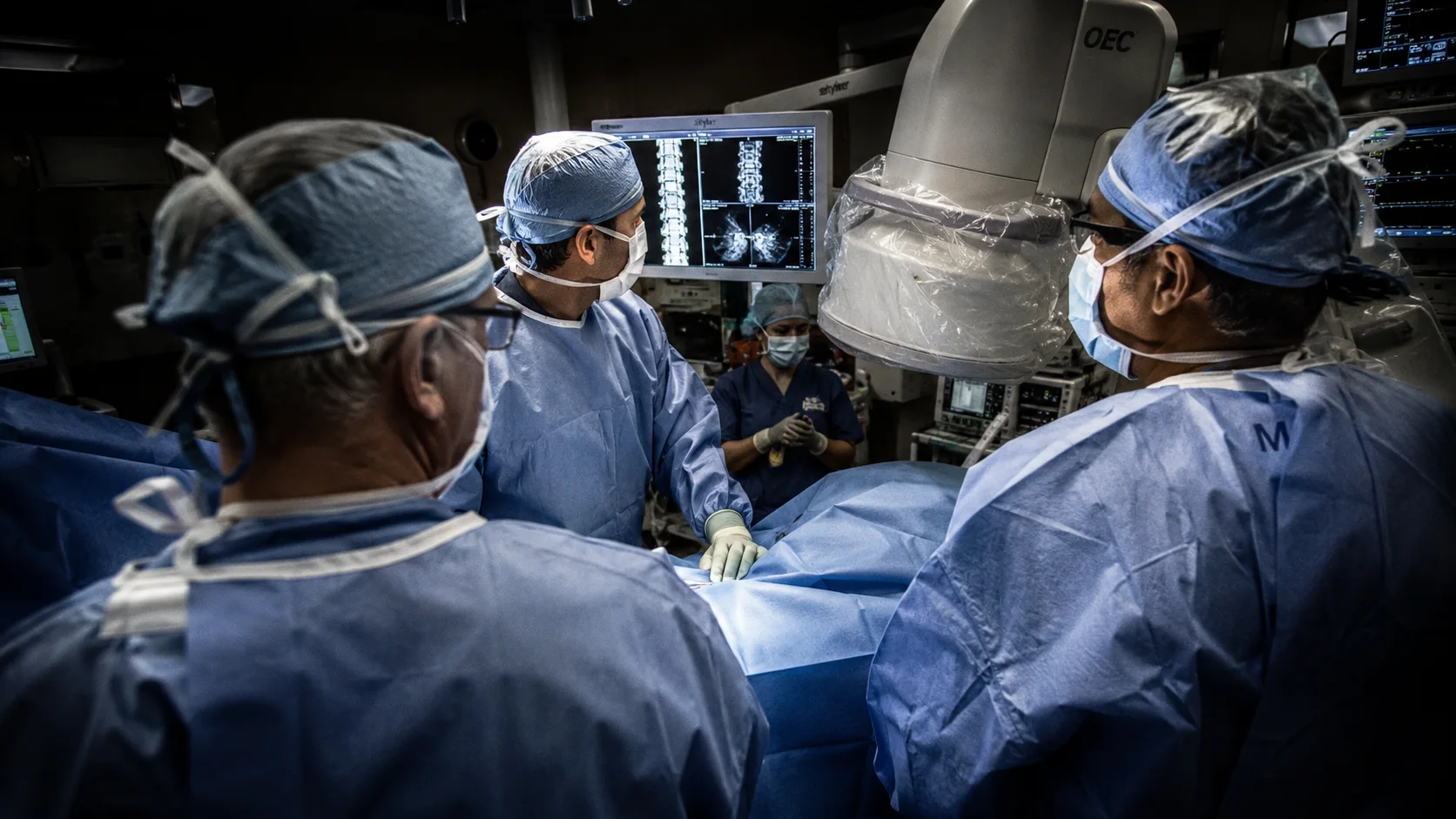
Spine procedural environments

The portfolio may be discussed in connection with:

  • Cervical fusion
  • Thoracic fusion
  • Lumbar fusion
  • Interbody procedures
  • Posterolateral fusion
  • Deformity surgery
  • Trauma reconstruction
  • Revision fusion procedures

Clear distinctions between products

Evologics helps teams evaluate whether each material is structural or nonstructural, how it is supplied, how it may be combined and what documentation is required.

  1. 01

    Evaluate

    Product information, specifications, IFUs, evidence and facility needs.

  2. 02

    Review

    Value-analysis support, regulatory documentation, pricing and product comparison.

  3. 03

    Implement

    Ordering workflow, onboarding, staff education and initial coordination.

  4. 04

    Support

    Clinical education, representative support, replenishment and follow-up.

Specialty information and use

Procedure examples are provided for general informational and navigation purposes. They do not establish a product indication, treatment recommendation or expected clinical outcome.

Product selection, preparation, placement and documentation remain the responsibility of the qualified healthcare professional and facility. Use must be consistent with the current Instructions for Use, product labeling, institutional policy and applicable regulatory requirements.

Where website language differs from a controlled product document, the current controlled document governs.

Explore graft configurations for your spine program

Request product specifications, ordering information or a facility review.